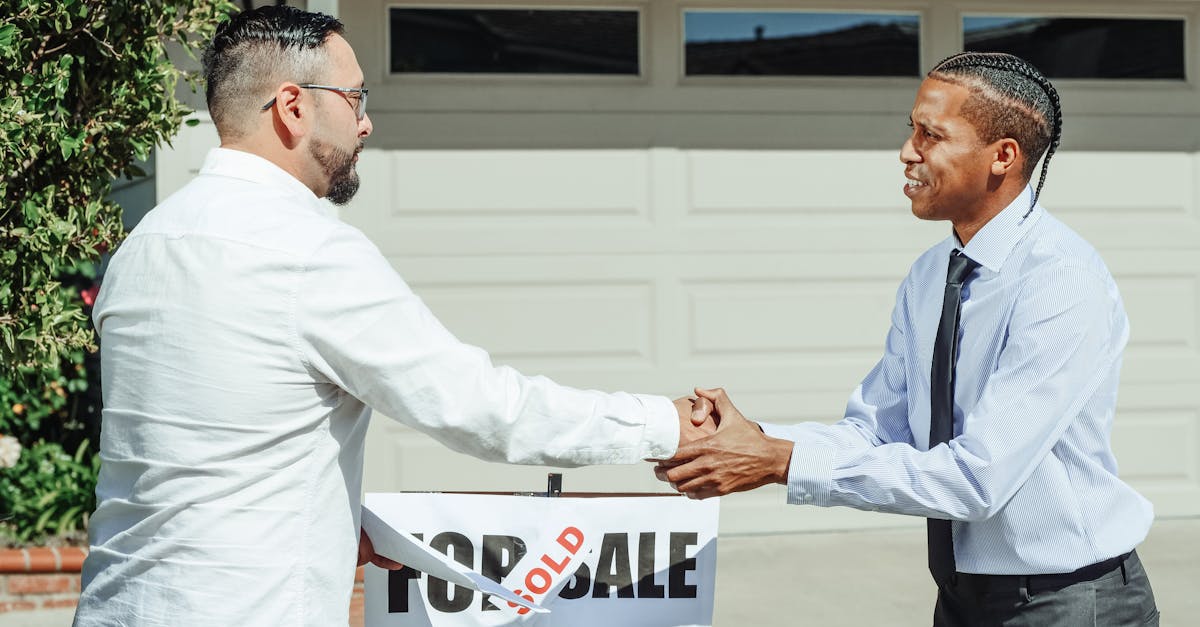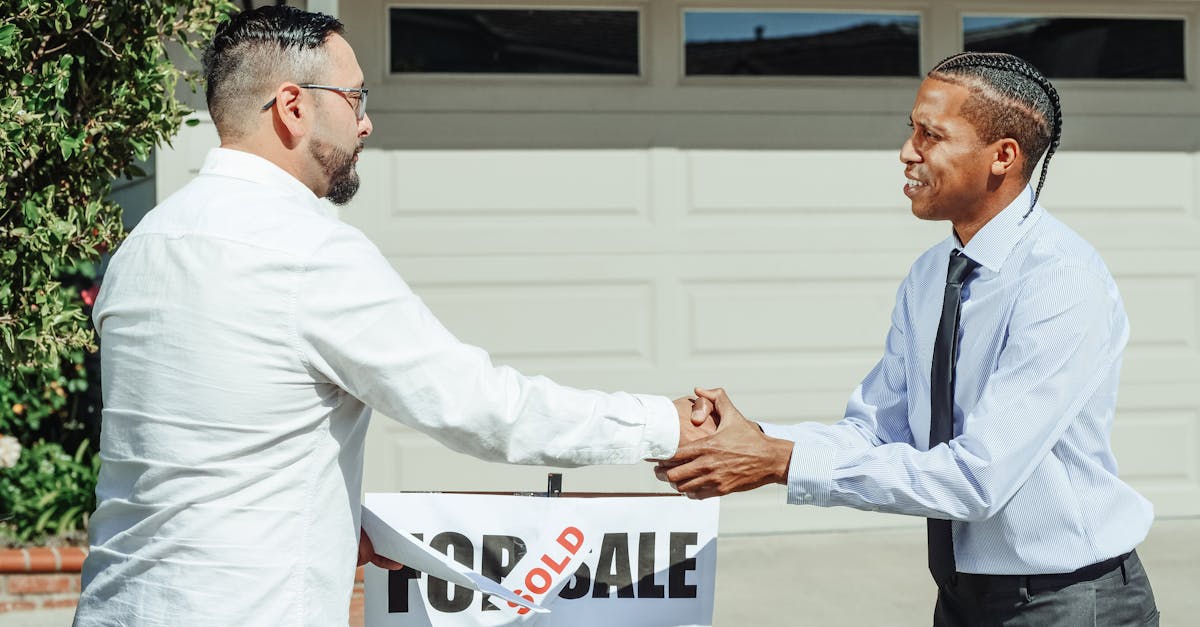
The Art of Closing More Deals Without Being Pushy
Have you ever felt that sinking sensation in your gut when you are on a sales call, and you know it is time to ask for the business? You start to sweat, your voice wavers, and suddenly you sound like a desperate car salesman from a 1990s commercial. We have all been there. The good news is that closing does not have to be a high pressure, sweat inducing ordeal. In fact, the most successful closers in the world rarely sound like they are trying to sell anything at all. They sound like advisors, partners, and friends. In this guide, we are going to dive deep into how you can consistently move prospects across the finish line while keeping your integrity intact and your prospects feeling respected.
The Psychology Behind the Sales Stigma
Why do we hate the word sales? Most of us associate it with sleaze. We think of the person who just will not take no for an answer, or the one who bombards us with emails until we finally hit the unsubscribe button. This stigma creates a mental block. When you go into a meeting thinking you need to convince someone, your body language, tone, and word choices shift into a defensive, aggressive mode. The shift you need to make is simple: you are not a solicitor, you are a consultant. If your product truly adds value, you are not taking money away from a prospect; you are trading their currency for a solution that makes their life better. When you believe this, the pushiness disappears.
Preparation Is the Secret Sauce
Ever tried to bake a cake without the right ingredients? It ends in disaster. Closing a deal is no different. If you walk into a call without knowing the prospect’s industry, their pain points, or their history, you are flying blind. Preparation is not just about reading their LinkedIn profile. It is about anticipating the hurdles. What is their biggest frustration? Why would they say no? When you arrive at a meeting fully prepared, you do not need to push because your questions are inherently insightful. You demonstrate value before you ever mention a price tag.
Mastering the Skill of Active Listening
Most salespeople listen just long enough to prepare their next pitch. This is the death of a deal. True active listening involves hearing what is said and, more importantly, what is not said. Are they hesitant when they talk about their budget? Do they emphasize speed over quality? When you listen more than you speak, your prospect feels heard. In a world where everyone is shouting to be seen, being the person who actually listens is a massive competitive advantage. Use the 70/30 rule: listen for 70 percent of the time, and speak for only 30 percent.
Shifting from Selling to Solving
Think of your product as a key and the prospect’s problem as a locked door. If you try to force the key into the lock without checking if it fits, you are just being annoying. If you ask the right questions to understand the door, you can present your key as the natural, logical solution. Stop selling features and start selling outcomes. Nobody wants to buy a drill; they want the hole in the wall. When you frame your offer as the inevitable solution to their specific misery, the closing process becomes a mere formality rather than a confrontation.
The Gentle Art of Objection Handling
Objections are not rejections. They are requests for more information. When a prospect says the price is too high, they are not necessarily saying no; they are saying they do not yet see enough value to justify the cost. Instead of getting defensive or pushy, embrace curiosity. Ask, “Help me understand what you are comparing this to?” or “What parts of the investment feel out of alignment?” When you treat objections as a collaborative puzzle to solve together, you strip away the tension and replace it with a productive dialogue.
Building Trust as Your Primary Currency
Trust is the foundation of every single transaction. If a prospect does not trust you, they will not buy, no matter how great your offer is. How do you build trust quickly? Be honest about your limitations. If your product is not the right fit for their specific situation, tell them. By being willing to walk away from a bad fit, you instantly gain massive credibility for the next time you actually do have the right fit. It sounds counterintuitive, but showing you care more about their success than your commission is the fastest way to get them to trust your recommendation.
Creating Authentic Urgency
The biggest enemy of any sale is procrastination. People love to say, “Let me think about it.” If you allow them to sit in limbo forever, the deal will die. However, you cannot manufacture fake urgency. Do not tell them there is a sale ending when there isn’t. Instead, create urgency based on the cost of inaction. Ask them, “If you do not solve this problem in the next month, what will that look like for your business?” When they articulate the pain of staying where they are, they create their own urgency, and you simply guide them toward the cure.
The Soft Close Strategy
Stop using high pressure closing techniques like the “now or never” line. Instead, use the soft close. After you have presented the solution, ask a low stakes question that invites them to envision the future. Try something like, “Based on what we have discussed, does it feel like this path makes sense to solve your challenge?” This shifts the focus from you pushing them to them confirming their own desire. It is collaborative, low friction, and highly effective.
The Power of the Non Intrusive Follow Up
The follow up is where most deals go to die. Most people are either too annoying or too timid. To be effective, bring value to every single touchpoint. Do not just send an email that says, “Checking in.” Instead, send an article that relates to their industry, a case study that addresses a point they were worried about, or a brief note saying you were thinking about their specific challenge. Be a resource, not a nuisance.
Common Pitfalls to Avoid
One of the biggest mistakes is assuming you know what the client wants before they tell you. Another is talking too much about your company history rather than focusing on the client’s future. Keep the spotlight on them. If you find yourself bragging about your awards or your size, pull back. The client only cares about one thing: how you can help them achieve their goals. If the conversation feels like a monologue, you have already lost the deal.
Nurturing Leads That Are Not Ready Yet
Not every lead is ready to buy today, and that is perfectly fine. Treat your pipeline like a garden. If you pull the plants before they are ripe, you get nothing. Put long term prospects on a drip campaign where you provide consistent, helpful content. Stay top of mind without being an intrusion. When they are ready to pull the trigger, they will remember the person who helped them for months without ever asking for a dime.
How to Measure Your Closing Success
You cannot improve what you do not measure. Track your conversion rates at each stage of your sales funnel. Are you losing people at the initial meeting, or during the proposal phase? Understanding where the leaks are in your process allows you to tighten your approach. If you are losing people at the end, your closing technique needs work. If you are losing them at the start, your discovery phase needs adjustment.
Leveraging Tools Without Losing the Human Touch
Use CRM systems to stay organized, but never let technology automate your empathy away. Use templates for efficiency, but customize every single message you send. Use scheduling tools to make it easy for them, but maintain a personal connection in your emails. Technology should handle the administrative burden so you can focus 100 percent of your energy on the actual human interaction.
Final Thoughts on Becoming a Closer
Becoming a master closer without being pushy is about changing your internal narrative. It is about understanding that sales is a service. When you come from a place of curiosity, empathy, and value, closing becomes the most natural part of the conversation. You are simply helping a person reach a destination they want to get to anyway. Stay humble, listen deeply, and keep your focus on the success of your prospect. The results will follow.
Frequently Asked Questions
1. How do I know if I am being too pushy?
If you find yourself doing more talking than listening, or if you feel like you are forcing a response, you are likely being too pushy. A good test is to ask yourself if you would say these same things to a friend you are trying to help.
2. What should I do if a prospect says they need to think about it?
Don’t panic. Gently ask what specifically they need to think about. This often reveals a hidden objection like budget or timing that you can address in the moment rather than letting them disappear into the void.
3. Can I still be an effective salesperson if I am an introvert?
Actually, introverts often make better salespeople. Because they are naturally inclined to listen more than talk, they are usually better at discovering the client’s true needs and building genuine, long term trust.
4. How often should I follow up without being annoying?
Frequency depends on the context, but the key is value. If you send an email with a genuinely helpful resource or insight, you are being helpful, not annoying. Aim for once a week if the deal is active, or once a month if they are in the long term nurturing phase.
5. Is it ever okay to walk away from a deal?
It is more than okay; it is often necessary. If a client is not a good fit, walking away protects your reputation and saves you from a headache down the road. High performing salespeople know that the power of saying no is just as important as the power of saying yes.